
Skip to content

Log Splitters for Sale

Six unsplit rounds is an afternoon problem. Six cords of green oak piled at the driveway edge before heating season is where log splitters change the math on what one person can process before the wood needs to be stacked and drying.

Root Revive Direct carries gas log splitters, tow-behind models, and commercial tonnage as an authorized dealer for Iron and Oak, Brave, Swisher, and Earthquake. The lineup covers 24-ton through commercial-grade splitting force, horizontal and vertical beam configurations, log lift options that reduce operator fatigue, and skid steer mount formats for high-volume firewood processing operations.

How to Choose a Log Splitter for Your Wood Volume and Operation

Gas Log Splitter Ton Rating: Matching Force to Your Hardwood Species

  • 24-Ton Splitter: Handles standard residential hardwood volumes on oak, maple, and elm without stalling. U.S. EIA data on wood fuel households shows most home heating operations fall in the 2–4 cord annual range, which 24-ton splitting force covers at pace.
  • 30-Ton Splitter: Adds splitting force for larger-diameter rounds, knotty wood, and mixed hardwood loads that push a 24-ton machine to its limit on back-to-back cycles across a full afternoon splitting session.
  • 37-Ton and Above: Commercial splitting force for high-volume firewood operations processing 10-plus cords per season. Cycle time becomes the throughput limit at this scale, not tonnage, and cycle rate specs matter more than peak force alone.

Horizontal vs. Vertical Log Splitter: Choosing Your Beam Position

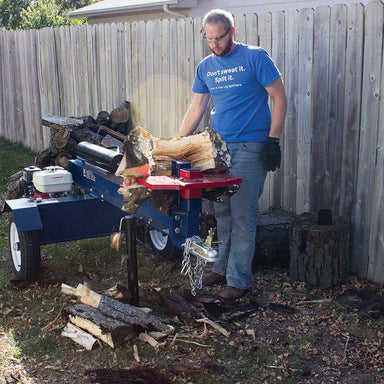
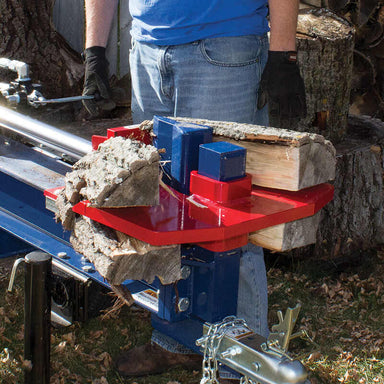
  • Horizontal Split: Operator loads rounds at standing height on the horizontal beam, which suits most residential firewood processing where log diameter stays manageable and no heavy lifting is needed to position rounds during a single-person splitting session.
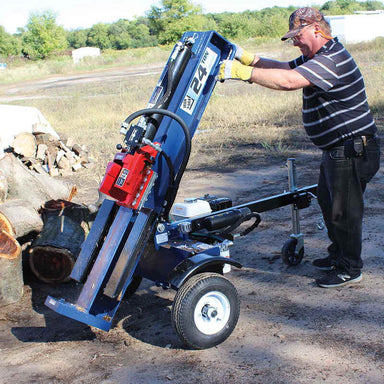
  • Vertical Split: Stands rounds upright on the ground for splitting, which removes the need to lift heavy rounds onto the beam. Right for large-diameter logs or commercial volumes where repeatedly lifting heavy rounds onto a horizontal beam creates operator fatigue.
  • Dual-Position Models: Switch between horizontal and vertical on the same machine, giving one splitter the flexibility to handle both standard residential rounds and oversized commercial logs without changing setups between different wood sources.

Log Splitter with Log Lift: When Fatigue Becomes the Throughput Limit

  • What a Log Lift Does: A hydraulic log lift raises rounds from ground level to the beam without manual lifting. On a 30-ton or 37-ton splitter processing heavy logs, the lift eliminates the load that accumulates in the lower back across a multi-cord session.
  • When You Need One: Operators processing 3-plus cords in a session, working with large-diameter rounds consistently, or running a splitter solo without a second person to stage logs are the primary use cases where a log lift pays for itself in one splitting day.
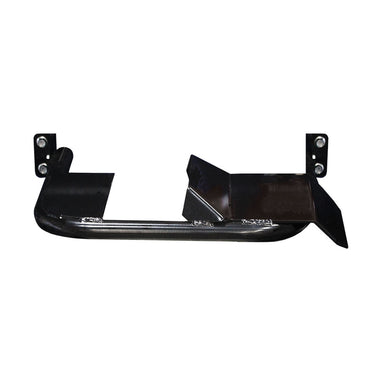
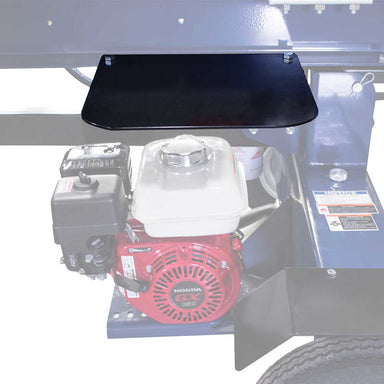
  • Log Lift Add-Ons: If your current splitter doesn't include a lift, aftermarket options are available. Buyers looking for add-on equipment can browse log splitter accessories for log lifts, wedge kits, and splitter upgrades that extend the base machine.

Commercial Log Splitter Formats: Tow-Behind, Skid Mount, and Skid Steer

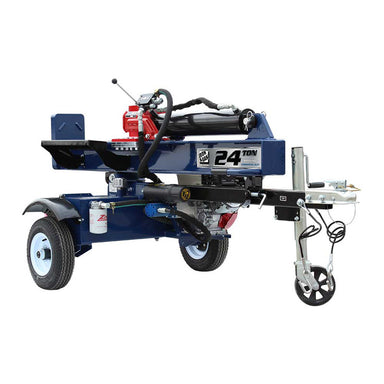
  • Tow-Behind Splitter: Mounts to a standard trailer hitch for transport between job sites or wood lots. Right for firewood operations that split at multiple locations rather than processing all wood at a single fixed station. Buyers can browse tow-behind log splitters for road-towable configurations in multiple tonnage ratings.
  • Skid Mount Splitter: Fixed-frame unit without wheels or hitch, suited for a permanent processing station at a farm, woodlot, or firewood operation where the splitter stays in one location across the full splitting season. Browse skid mount log splitters for stationary commercial tonnage options.
  • Skid Steer Log Splitter: Hydraulic attachment that mounts to a skid steer loader for high-volume commercial splitting. Runs off the skid steer's hydraulic system, handling large-diameter commercial timber at throughput rates a standalone splitter cannot match.

Top Log Splitters for Sale

Best Gas Log Splitter for Acreage Firewood Processing

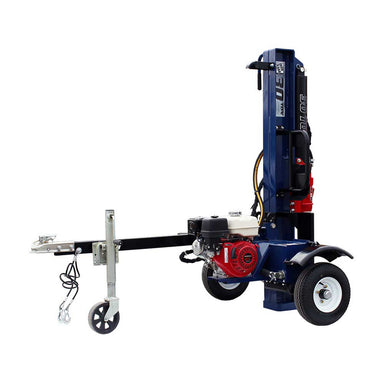
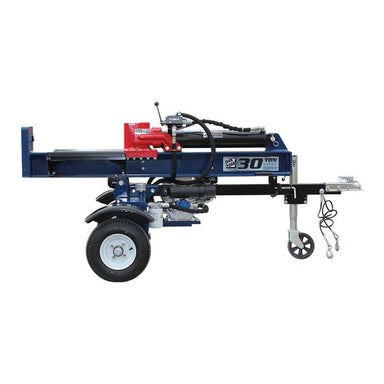
Iron and Oak Log Splitter | 30-Ton | Honda GX270

Iron and Oak Log Splitter 30-Ton Honda GX270

The Iron and Oak 30-Ton suits acreage operators processing large hardwood volumes through a full heating season. Honda GX270 power drives the auto-return valve cycle through knotty oak and large-diameter rounds without stalling.

  • Splitting Force: 30-ton hydraulic force, handles knotty hardwood where a 24-ton stalls

  • Beam: Dual-position horizontal and vertical, switches without tools

  • Engine: Honda GX270 9-HP, reliable across seasonal storage and full-day cycles

Best Tow-Behind Log Splitter for Multi-Tonnage Flexibility

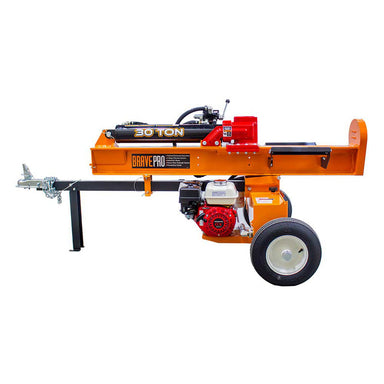
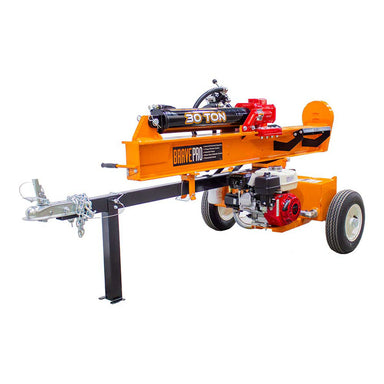
Brave Horizontal / Vertical Tow-Behind Log Splitter | 24, 30 & 37-Ton

Brave Horizontal Vertical Tow-Behind Log Splitter 24 30 37-Ton

The Brave Tow-Behind Series offers 24, 30, and 37-ton configurations on one horizontal-vertical platform for operators splitting across multiple locations. Honda-powered tow-behind setup fits a standard trailer hitch for transport between woodlot and property.

  • Tonnage: Three tiers: 24, 30, and 37-ton, one platform, no second machine needed

  • Beam: Horizontal and vertical dual-position handles residential and oversized commercial rounds

  • Mobility: Road-legal tow-behind frame, fits standard trailer hitch

Best Commercial Log Splitter for High-Volume Wood Processing

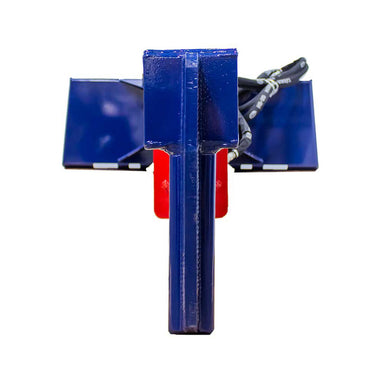
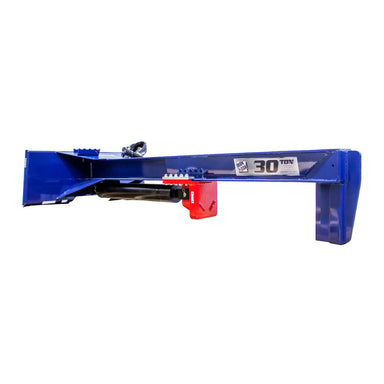
Iron and Oak Log Splitter | 30-Ton | Skid Steer Mount

Iron and Oak Log Splitter 30-Ton Skid Steer Mount

The Iron and Oak 30-Ton Skid Steer Mount runs off the loader's existing hydraulic system, handling commercial timber volumes at throughput rates a standalone splitter cannot match. Built for firewood processors and farms where cycle speed determines daily output.

  • Mount: Universal hydraulic plate, fits most major loader brands, no adapters needed

  • Drive: Runs off skid steer hydraulic flow, no standalone engine or extra maintenance

  • Force: 30-ton commercial splitting through large-diameter timber on back-to-back cycles

Why Buy a Log Splitter from Root Revive Direct

  • Authorized Dealer Factory-registered warranty on Iron and Oak, Brave, Swisher, and Earthquake splitters, with warranty claims running through manufacturer channels rather than a distributor between you and the brand.
  • Free Return Shipping Covers return freight if the tonnage or configuration turns out wrong for the application, removing the shipping cost risk on heavy log splitting equipment purchased online.
  • No Sales Tax Applies to all orders shipped outside Pennsylvania, reducing total cost on commercial log splitters where local dealers and regional retailers typically charge full state and local tax.
  • Pre-Sale Phone Support Available Monday through Sunday, 9AM–6PM EST, for Honda engine questions, tonnage selection, and log lift compatibility before your order ships, not after the unit arrives on the property.

Your Log Splitter Questions Answered

What is the difference between a 24-ton and 30-ton log splitter?

The 30-ton delivers 6 additional tons of splitting force for larger-diameter hardwood, knotty rounds, and back-to-back cycles that push a 24-ton to its limit. For standard residential firewood volumes on clean hardwood, the 24-ton covers most applications at a lower price point.

Are gas log splitters better than electric log splitters?

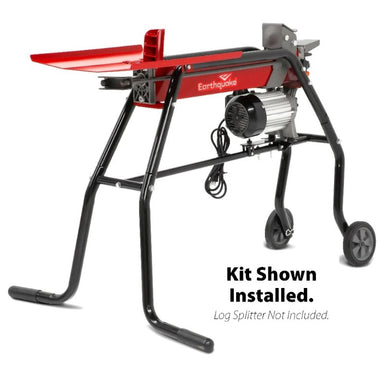
Gas log splitters deliver significantly more splitting force and don't require proximity to a power outlet, making them the standard choice for outdoor firewood processing at scale. Electric models suit small residential volumes where cord counts are low and a nearby outlet is available.

What does a log lift do and do I need one?

A log lift raises rounds from ground to beam height hydraulically, removing manual lifting on heavy logs. Operators splitting 2-plus cords solo or working with large-diameter rounds consistently benefit most; lighter residential use on manageable log sizes rarely needs the lift.

Can a log splitter mount to a skid steer?

Iron and Oak makes a skid steer log splitter attachment that mounts to a universal hydraulic plate and runs off the loader's existing hydraulic flow. It suits commercial timber operations and firewood processors where the skid steer is already on site and cycle throughput matters.

What Honda engine is best for a log splitter?

The Honda GX270 at 9 HP is the standard choice for 28-ton to 37-ton commercial log splitters. For residential 22-ton to 24-ton models, the Honda GC190 or GX160 handles standard hardwood cycle loads without the added weight and cost of the GX270.

What is the difference between a horizontal and vertical log splitter?

Horizontal splitters load rounds at standing height on the beam, suited for manageable log diameters. Vertical splits rounds standing upright on the ground, removing the need to lift heavy rounds onto the beam. Dual-position models handle both without a separate setup or machine.

Find the Right Log Splitter Before Splitting Season Starts

A cord of green oak that doesn't get split in time isn't ready when the heating season needs it. The difference between having the right log splitter matched to the wood volume and the operation, and getting to the end of the season with rounds still on the ground, is a decision made before the first cold week.

Browse the full lineup from Iron and Oak, Brave, Swisher, and Earthquake, match the tonnage and configuration to your wood type and annual volume, and have it running before the first splitting day of the season.

Have Questions? We're Here to Help.

Our team is available Monday through Sunday, 9 AM – 6 PM EST.