
Skip to content

Trenchers for Sale


The irrigation line for the back field runs 200 feet from the pump house, and the cable for the new outbuilding circuit runs another 150 along the fence. A trencher for sale in the right chain and depth configuration handles both jobs in a single afternoon without renting by the hour.

From the Brave 18-inch shark chain walk-behind for standard chain trenching on irrigation and cable runs, through the NorTrac towable trencher for large-acreage drainage and utility projects, through the Brave wire installer for shallow cable and conduit at controlled depths, this collection covers the full range from residential irrigation to commercial-scale utility trenching.


Walk-Behind vs Towable Trencher, and Matching Cutting Head to Job

Walk-Behind vs Towable Trencher: Session Scale and Conditions

  • Walk-behind for residential and light commercial runs: A walk behind trencher covers irrigation lines, cable runs, and drainage on residential and light commercial properties where total run length stays manageable on foot.
  • Towable for large-acreage and extended projects: A towable trencher pulls behind an ATV or UTV for irrigation mains, drainage systems, and utility runs where walk-behind pace adds days to the project.
  • Mini trencher scale for tight and confined spaces: A mini trencher walk-behind handles close-clearance runs between structures and short cable installations where larger equipment cannot maneuver.

A walk-behind tiller loosens compacted soil before the first pass to reduce chain resistance and extend cutting head life on hard-pan sites.

Chain Trencher vs Rotary Trencher: Cutting Method by Soil Type

  • Chain trencher for mixed soil and clean trench walls: A chain trencher cuts clean-sided walls through loam, sandy, and moderately rocky ground for irrigation and cable runs where trench wall integrity matters for pipe seating.
  • Rotary trencher for clay and bed preparation: The clay rotor handles dense, cohesive soil where a chain packs and stalls, and the Bedmaster rotor suits bed preparation where a chain leaves too rough a profile.
  • Gas powered trencher runtime for full-session coverage: A gas powered trencher runs continuous passes without a battery ceiling, meaning large irrigation and drainage runs complete without stopping to recharge.

According to the University of Florida IFAS Extension, irrigation lateral lines are typically installed at 8 to 12 inches of depth to avoid frost heave and surface traffic damage.

Trencher Attachments for Hard Pan, Rock, and Shallow Cable Applications

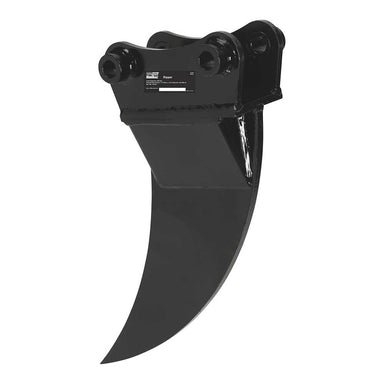
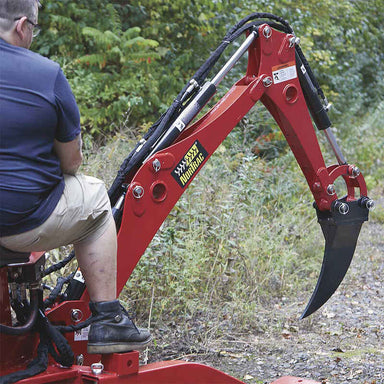
  • Ripper attachment before the digging bucket on hard pan: The NorTrac ripper fractures compacted subsoil ahead of the digging bucket, reducing bucket wear and cutting passes on terrain where the standard bucket would stall.
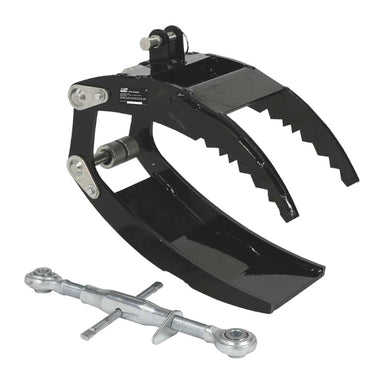
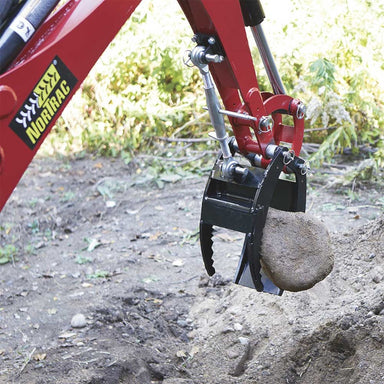
  • Rock grabber for clearing stone from the open trench: The NorTrac rock grabber removes cobble and stone so pipe and conduit seat cleanly at the trench bottom, meaning backfill settles without voids.
  • Wire installer for controlled shallow cable depth: The Brave wire installer digs at 2 to 4 inches for low-voltage cable, dog fence wire, and conduit runs where a full-depth trench creates unnecessary surface disturbance.

After backfilling, a lawn roller restores ground contact on disturbed soil, and a garden trailer moves excavated material off-site before the final surface pass.

Trencher Configurations Compared

Match the buyer situation to the recommended configuration before placing the order.

Buyer Situation Recommended Configuration
Irrigation lines, cable runs, standard residential soil Brave Trencher 18-In. Shark Chain (Honda GX200)
Dense clay soil, bed preparation and landscape edging Brave Trencher 7-In. x 2-In. Clay Rotor (Honda GX200)
Shallow bed prep, finished-edge trench profile Brave Trencher 5-In. Bedmaster Rotor (Honda GX270)
Low-voltage cable, dog fence wire, conduit at 2 to 4 in. Brave Wire Installer 2-4 In. Depth (Honda GX160)
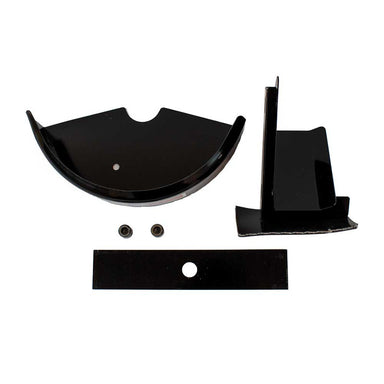
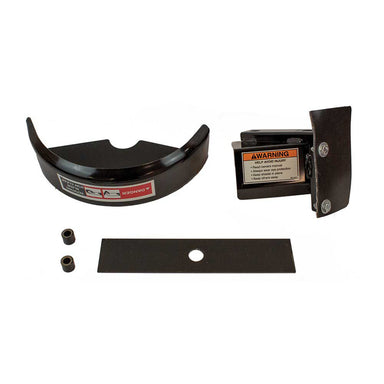
Convert walk-behind to edger for bed and hardscape work Brave Trencher/Edger Conversion Kit (BRPT4H Flat Blade)
Large-acreage drainage, ATV/UTV-tow utility main runs NorTrac Towable Trencher, 3-Tooth Digging Bucket (Ducar Engine)
Larger-diameter trench work on towable system NorTrac Trencher 10-In. Bucket Attachment
Hard pan or compacted subsoil before digging bucket NorTrac Ripper Attachment for Towable Trencher
Cobble and stone removal from open trench NorTrac Rock Grabber for Towable Trencher

Top Trenchers, Towable Systems, and Attachments

Best Walk-Behind Chain Trencher

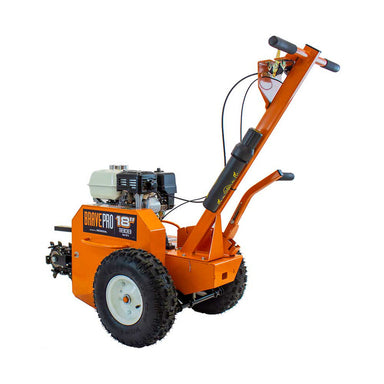
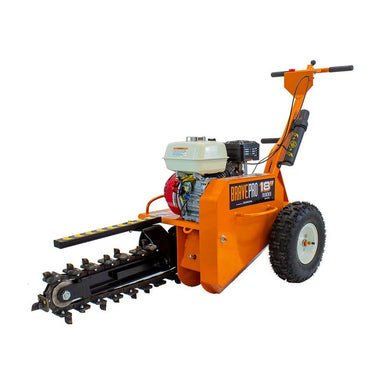
Brave Trencher 18-In. Shark Chain (Honda GX200)

Brave 18-inch shark chain walk-behind trencher with Honda GX200 engine, full left side view

Suits acreage owners and light commercial operators who need a reliable walk-behind for irrigation laterals, cable installation, and drainage on residential and small commercial properties.

  • Honda GX200 engine runs a full session without a battery ceiling

  • Shark chain cuts clean-sided walls through loam, sandy, and mixed-rock ground

  • 18-inch depth capacity handles standard residential irrigation and cable installation

Best Towable Trencher

NorTrac Towable Trencher, 3-Tooth Digging Bucket (Ducar Engine)

NorTrac towable trencher with 3-tooth digging bucket and Ducar engine

Takes over when the run extends past the distance a walk-behind finishes in a single session before the weather window closes.

  • Ducar engine pulls the 3-tooth digging bucket through mains, drainage, and utility runs

  • Ripper and rock grabber attachments extend capability to hard pan and rocky terrain

  • Towable design keeps the operator on the vehicle for the full run

Best Wire Installer

Brave Wire Installer 2-4 In. Depth (Honda GX160)

Brave wire installer trencher set for 2 to 4 inch depth with Honda GX160 engine, side view

Handles low-voltage cable at 2 to 4 inches with less disturbance and less restoration than a full-depth chain trencher on the same run.

  • Depth control at 2 to 4 inches keeps backfill and restoration to minutes

  • Honda GX160 scales power to the shallow application without added bulk

  • Single-pass installation covers a full residential dog fence or cable run

Why Buy a Trencher from Root Revive Direct

  • Digging Configuration and Soil Type Confirmed Before Ship Pre-purchase support matches cutting head, chain type, and machine class to the soil conditions and trench depth requirements before the order processes, so the wrong configuration does not arrive at a job site that cannot use it.
  • Authorized Brave and NorTrac Dealer Every walk-behind and towable unit ships under full manufacturer warranty through authorized dealer terms, with no grey-market sourcing or warranty gap on any model in the collection.
  • Free Return Shipping If a trencher arrives and the cutting head or machine class does not match the application, return shipping and restocking are covered so fit-risk stays with the dealer, not the buyer.

Your Trencher Questions Answered

What is a walk-behind trencher used for?

A walk-behind trencher digs narrow trenches for irrigation lines, electrical conduit, drainage pipe, and low-voltage cable on residential and light commercial properties. Typical depth range is 6 to 18 inches depending on the cutting head and engine size.

Chain trencher vs rotary trencher: which is better?

A chain trencher cuts cleaner walls in mixed soil for irrigation and cable runs. A rotary trencher handles clay and bed preparation where a chain packs and stalls. Soil type and trench profile together determine the right choice for the specific application.

Can I rent a trencher or should I buy one?

Renting makes sense for a single one-time project. Buying earns out on two or more projects per season, or any time scheduling around rental availability delays a weather-dependent installation window. Most residential operators recover the cost within a second season.

What is a wire installer trencher?

A wire installer trencher digs at 2 to 4 inches for low-voltage cable, dog fence wire, and conduit where full-depth trenching is unnecessary. Depth is controlled and surface disturbance is minimal compared to a standard chain trencher on the same cable run.

How deep can a walk-behind trencher dig?

Walk-behind trencher depth depends on the cutting head and engine configuration. The Brave 18-inch shark chain handles standard residential depth for irrigation and cable installation. Rotary models dig shallower and are suited to bed preparation rather than deep utility runs.

Get the Trench Dug Before the Installation Window Closes

The irrigation line and the outbuilding cable run are still waiting. A gas powered trencher in the right chain and depth configuration handles both jobs in the time it takes to schedule a contractor, with every model backed by full manufacturer warranty as an authorized Brave and NorTrac dealer.

Have Questions? We're Here to Help.

Our team is available Monday through Sunday, 9 AM – 6 PM EST.